
In the fast-moving consumer goods industry, being on the shelf is not the same as being seen, priced correctly, or positioned to sell. Every day, brands lose revenue to problems they never even know happened: an out-of-stock item in a top-performing store, a competitor’s promotion stealing shelf space, or a distributor quietly breaking pricing agreements. This is why FMCG brand monitoring has moved from a “nice to have” to a core pillar of retail strategy in 2026.
Brand monitoring is no longer just about checking if products are on shelves. It’s about capturing real-time data across thousands of outlets, turning that data into insights, and acting fast enough to protect market share before competitors do. Brands that master this are seeing measurable results: fewer stockouts, better compliance, sharper pricing, and stronger relationships with retail partners.
This article breaks down what FMCG brand monitoring really means today, why it matters more than ever, the biggest challenges brands face, and how solutions like AIM Insights are changing the game.
Why FMCG Brand Monitoring Matters Now
The FMCG landscape has become more fragmented and more competitive at the same time. Consumers have more choices, retailers have more private-label options, and the margin for error has shrunk dramatically. A few reasons monitoring has become essential:
- Retail execution gaps cost brands billions in lost sales every year, mostly from stockouts, misplacement, and poor shelf compliance.
- Price wars between distributors and retailers can silently erode brand equity if not tracked and controlled.
- Consumers expect consistent availability and pricing, whether they shop in a hypermarket, a corner store, or online.
- Competitors move fast. A rival’s new promotion or shelf takeover can happen overnight, and brands need to know immediately, not weeks later in a sales report.
- Regional and local markets behave differently, so a one-size-fits-all national strategy often fails at the store level.
Without a system that captures what’s actually happening on the ground, brands are essentially flying blind. Decisions get made on outdated data, and by the time a problem is noticed, the damage to sales and brand image is already done.
The Real Cost of Not Monitoring Your Brand
Many FMCG companies still rely on manual store checks, occasional audits, or delayed reports from distributors. This creates several blind spots:
- Stockouts go unnoticed until monthly sales numbers reveal a drop, by which time the damage is already done.
- Misleading or inconsistent pricing across regions confuses consumers and damages trust.
- Merchandising standards are inconsistent, so premium products can end up poorly displayed or hidden behind competitor products.
- Field teams spend hours on manual data entry instead of solving problems on the ground.
- Marketing and sales teams work with different, often outdated numbers, leading to poor coordination.
These gaps don’t just cost money. They slowly chip away at brand equity, retailer trust, and consumer loyalty. This is exactly the problem modern brand monitoring platforms are built to solve.
What Effective FMCG Brand Monitoring Looks Like
A strong brand monitoring strategy today combines technology, field execution, and data intelligence. The most effective systems focus on:
- Real-time shelf availability tracking across multiple retail formats and regions.
- Automated price monitoring to catch violations or inconsistencies as they happen.
- Share of shelf and planogram compliance checks to ensure the brand gets the visibility it deserves.
- Competitor activity tracking, including promotions, new launches, and shelf takeovers.
- Mobile field force tools that let merchandisers report issues instantly instead of through delayed paperwork.
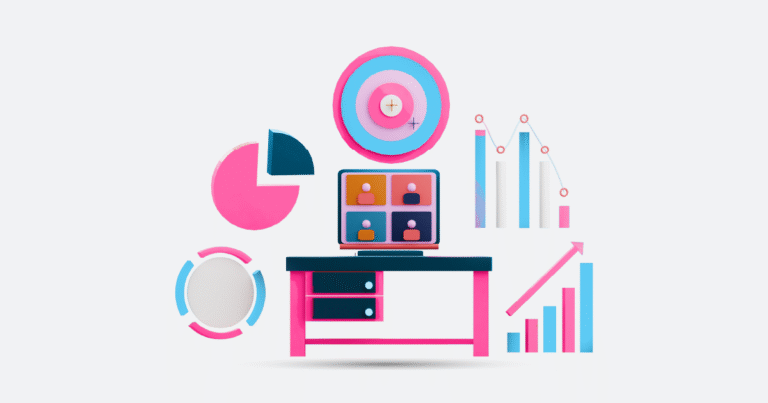
- Centralized dashboards that turn raw field data into clear, actionable insights for decision-makers.
The goal is simple: close the gap between what happens in stores and what leadership sees on their screens, and shrink that gap from weeks to minutes.
AIM Insights: Turning Field Data Into Smart Decisions

This is where AIM Insights, part of AIM Technologies’ suite of retail intelligence tools, plays a central role. AIM Insights is designed specifically to help FMCG brands convert scattered field data into a single, reliable source of truth.
Here’s what makes AIM Insights stand out:
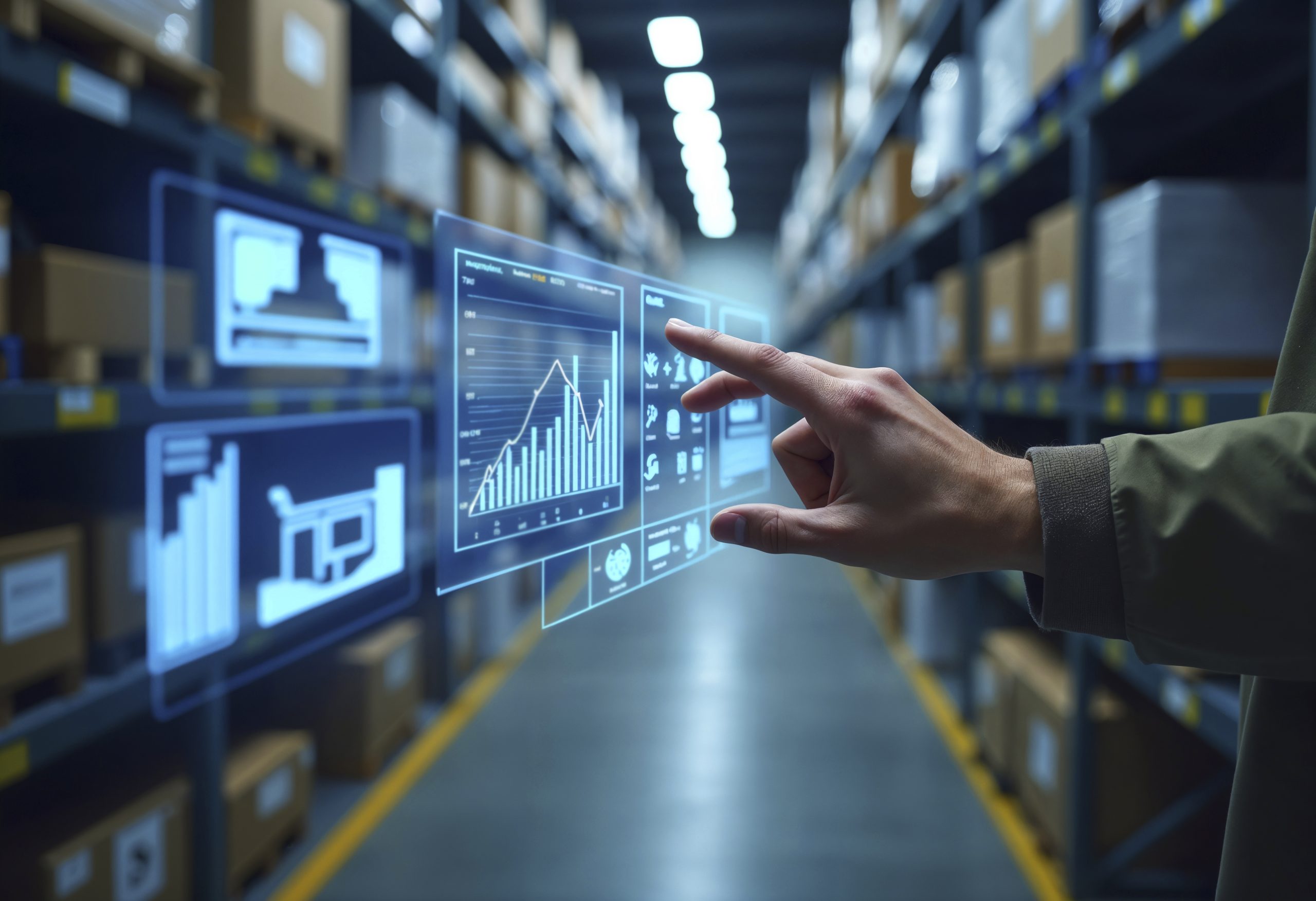
- Centralized dashboards that pull data from field visits, retail audits, and mobile reporting into one clear, visual interface, so teams don’t have to dig through spreadsheets or wait for weekly reports.
- Real-time alerts for stockouts, pricing violations, and compliance issues, allowing brands to react within hours instead of weeks.
- Advanced analytics that highlight patterns across regions, store types, and time periods, helping brand managers spot problems before they escalate.
- Customizable KPIs so each brand can track exactly what matters most to them, whether that’s shelf share, distribution reach, or promotional compliance.
- Seamless integration with field teams, meaning merchandisers and sales reps capture data directly from stores, and that data flows instantly into strategic reports.
- Visual reporting tools that make it easy for executives and regional managers to understand performance at a glance, without needing a data science background.
What truly sets AIM Insights apart is its ability to connect the dots between execution on the ground and strategy in the boardroom. Instead of brands guessing why sales dropped in a certain region, they can pinpoint the exact cause, whether it’s a stockout, a pricing issue, or a competitor’s aggressive promotion, and respond with precision.
For FMCG companies operating across multiple markets, this level of clarity is a genuine competitive advantage. It turns brand monitoring from a reactive, after-the-fact activity into a proactive, data-driven strategy that protects revenue and strengthens retailer relationships.
Key Benefits of Strong FMCG Brand Monitoring
Brands that invest in proper monitoring systems, especially those powered by tools like AIM Insights, typically see improvements across several areas:
- Reduced stockouts, since real-time alerts mean issues get fixed the same day instead of weeks later.
- Improved pricing consistency, protecting both brand image and profit margins.
- Stronger retailer relationships, built on transparent, accurate data rather than assumptions.
- Faster response to competitor activity, keeping the brand one step ahead in the market.
- Better resource allocation, since field teams know exactly where to focus their time and effort.
- Higher return on trade marketing investment, because promotions and displays are verified rather than just planned on paper.
These aren’t abstract benefits. They translate directly into higher sales, lower operational costs, and a stronger position in a highly competitive market.
Common Mistakes FMCG Brands Make With Monitoring
Even brands that recognize the importance of monitoring often fall into avoidable traps:
- Relying on outdated or infrequent store audits instead of continuous, real-time tracking.
- Treating brand monitoring as a one-department task rather than something that should inform sales, marketing, and supply chain decisions together.
- Collecting data without a clear system to turn it into action, leaving valuable insights sitting unused in spreadsheets.
- Ignoring regional differences and applying a single national strategy across very different local markets.
- Underinvesting in field team tools, which leads to inconsistent, delayed, or inaccurate data from the ground.
Avoiding these mistakes starts with choosing the right monitoring partner and building a culture where data actually drives decisions, not just reports that get filed away.
How to Build a Winning FMCG Brand Monitoring Strategy
For brands ready to strengthen their approach, here’s a practical roadmap:
- Start by auditing your current visibility gaps. Where are you missing real-time data, and where are decisions still based on guesswork?
- Choose a monitoring platform that combines field execution tools with strong analytics, not just one or the other.
- Set clear, measurable KPIs tied to business outcomes, such as stockout reduction targets or shelf share goals.
- Train field teams to use mobile tools effectively, since the quality of ground data depends heavily on how well it’s captured.
- Review data regularly with cross-functional teams, so sales, marketing, and supply chain are all working from the same insights.
- Continuously refine your strategy based on what the data reveals, treating monitoring as an ongoing process rather than a one-time project.
Brands that follow this kind of structured approach consistently outperform competitors who still rely on outdated, manual methods.
Future Trends
Looking ahead, brand monitoring will only become more sophisticated. Artificial intelligence and predictive analytics are already helping brands not just react to problems, but anticipate them before they happen. Imagine knowing a stockout is likely to occur in a specific region next week, based on historical patterns and current stock levels, and being able to act before it costs a single sale.
This is the direction platforms like AIM Insights are heading: from real-time monitoring to predictive intelligence that keeps brands ahead of the curve rather than constantly catching up.
Conclusion
FMCG brand monitoring has evolved from a basic operational task into a strategic necessity. Brands that fail to invest in real-time visibility are leaving money on the table every single day, through stockouts, pricing inconsistencies, and missed competitive threats. On the other hand, brands that embrace strong monitoring systems, backed by intelligent platforms like AIM Insights, are building a real competitive edge: faster decisions, stronger retailer relationships, and better protected market share.
If your brand is still relying on delayed reports and manual store checks, now is the time to change that. AIM Technologies helps FMCG companies turn scattered field data into clear, actionable intelligence that drives real business results.
Request a demo from AIM Technologies today and see how AIM Insights can transform the way your brand monitors, protects, and grows its presence in every store, every region, and every market you serve.