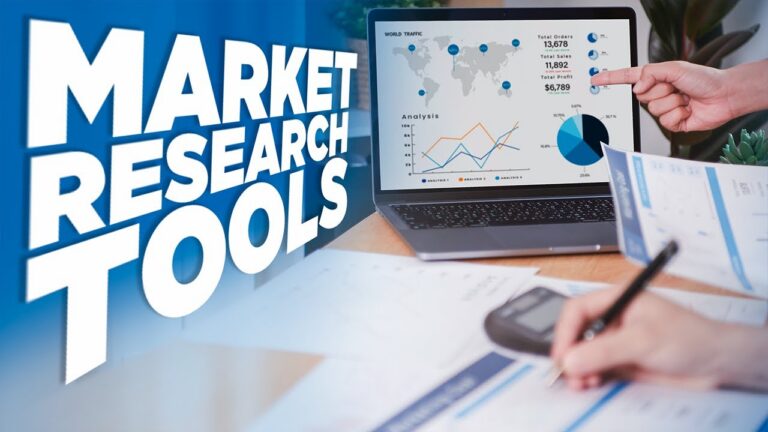


Competitive analysis tool social media teams rely on has become one of the most valuable assets in a modern marketing stack, and in a market as crowded and fast-moving as the Middle East, it is quickly turning from a nice-to-have into a daily necessity. Every brand in your category is publishing content, launching campaigns, answering customers, and shaping public perception in full view of your audience. That means the most useful competitive intelligence you will ever collect is already sitting out in the open. The challenge is not access. It is volume, speed, and interpretation. No team can manually track dozens of competitor accounts across multiple platforms, in Arabic and English, and turn the findings into decisions fast enough to matter.
That is exactly the gap a purpose-built competitive analysis tool closes. Instead of scrolling through rival feeds and screenshotting posts into a spreadsheet, teams get a structured, continuous view of how competitors are performing, what audiences are saying about them, and where the opportunities are hiding. In this article, we’ll break down what a social media competitive analysis tool should actually do, why regional markets demand more than a generic global dashboard, and how AIM Technologies, through its AIM Research module, helps brands benchmark with real depth and accuracy.
What Is a Social Media Competitive Analysis Tool?
A competitive analysis tool for social media is a platform that collects, organizes, and compares public data about your brand and your competitors across social channels. It turns scattered observations into measurable benchmarks. A capable tool typically tracks:
- Follower growth and audience size trends across platforms
- Posting frequency, timing, and content mix for each competitor
- Engagement rates and the content formats that drive them
- Share of voice within your category
- Sentiment toward each brand in public conversation
- Campaign activity, launches, and promotional patterns
- Influencer partnerships and who is driving conversation around rivals
- Customer complaints and praise aimed at competitors
The goal is simple: replace guesswork and gut feeling with a clear, comparable picture of where you stand and what to do next.
Why Competitive Analysis Matters More Than Ever
- Audiences Compare Constantly: Customers rarely evaluate one brand in isolation. They scroll between options, read comments, and judge you against alternatives in seconds.
- Competitor Mistakes Are Your Opportunities: When a rival faces a wave of complaints about delivery, pricing, or service, a well-timed message can win those frustrated customers.
- Campaign Benchmarks Need Context: A 3% engagement rate sounds fine until you learn the category average is 6%.
- Trends Appear in Competitor Feeds First: Content formats, hashtags, and themes that work for others often signal what will work for you.
- Budget Decisions Need Evidence: Competitive data gives marketing leaders concrete proof when arguing for investment in specific channels or formats.
- Early Warning on New Entrants: Fast-growing newcomers show up in social data long before they appear in market share reports.
Why Regional Markets Need More Than a Generic Dashboard
- Arabic and English Run in Parallel: A tool that only reads English captures a fraction of the real conversation around your competitors.
- Dialects Change Meaning: Gulf, Egyptian, and Levantine expressions carry different tones, and sentiment models trained on formal Arabic misread them.
- Sarcasm Is Common: Indirect criticism of a competitor can look like praise to a generic engine, skewing every benchmark built on top of it.
- Platform Mix Differs: Audience behavior across Instagram, TikTok, X, Snapchat, and YouTube varies by country, so benchmarks must be market-specific.
- Seasonal Peaks Matter: Ramadan, Eid, White Friday, and national days create concentrated bursts of competitor activity that need careful tracking.
- Government and Giga-Project Visibility: Entities competing for attention around national initiatives need to understand how their narrative stacks up against related announcements.
What to Look for in a Competitive Analysis Tool
- Native Arabic and English language processing with real dialect understanding
- Multi-platform coverage, not just one or two networks
- Customizable competitor sets that reflect your actual market
- Share of voice and sentiment benchmarking side by side
- Historical trend data so you can see change over time, not only snapshots
- Real-time alerts when a competitor launches a campaign or faces a spike in negative sentiment
- Clear dashboards and exportable reports for both marketers and executives
- Integration with broader listening and research capabilities
Common Mistakes in Social Media Competitive Analysis
- Tracking Too Many Competitors: A bloated list buries the signal. Focus on direct rivals plus a few aspirational leaders and emerging challengers.
- Counting Followers Instead of Impact: Follower numbers say little about influence. Engagement quality and sentiment tell the real story.
- Ignoring Sentiment: A competitor with huge engagement may be getting it through criticism, which changes how you should respond.
- Benchmarking Once a Year: Competitive positions shift in weeks, not years.
- Copying Instead of Learning: The goal is to find gaps and differentiate, not mirror what rivals do.
- Skipping Action Planning: Insights that never turn into owned tasks quietly gather dust.
A Closer Look: AIM Research for Competitive Analysis

This is where AIM Technologies’ AIM Research module delivers genuine strategic value. Rather than offering a surface-level dashboard of follower counts, AIM Research is built to benchmark brands against their competitors with the methodological depth and regional language accuracy that real decisions require.
Here’s what makes AIM Research particularly effective as a competitive analysis tool social media teams can trust:
- Custom Competitor Benchmarking: Define exactly which rivals matter and compare performance, perception, and presence side by side.
- Native Arabic and Dialect Understanding: AIM Research interprets Gulf, Levantine, and Egyptian dialects alongside Modern Standard Arabic, so benchmarks reflect what audiences actually say.
- Share of Voice and Sentiment Together: See how much of the category conversation each brand owns and whether that conversation helps or hurts them.
- Cross-Market Comparison: Break down competitive performance by country or city to see where you lead and where you lag.
- Structured Research Layer: Combine social data with methodologically sound studies on awareness, trust, and preference to explain why the numbers look the way they do.
- Historical Trend Analysis: Track how campaigns, launches, and market events shifted competitive positions over time.
- Actionable, Prioritized Reporting: Findings arrive as clear recommendations ranked by potential impact, so teams know where to act first.
- Executive-Ready Dashboards: Complex multi-brand data is translated into clean visuals suited to both daily marketing reviews and leadership presentations.
For any organization that needs a competitive analysis tool social media performance depends on, AIM Research offers the regional depth, accuracy, and strategic clarity generic global dashboards struggle to match.
Industries That Benefit Most
- Banking and Financial Services: Where trust and service perception are the main competitive battleground.
- Telecom: Where promotions, outages, and pricing moves trigger immediate public reaction.
- Retail and E-commerce: Where campaign timing around major shopping events decides who wins attention.
- Hospitality and Tourism: Where guest reviews and destination sentiment shape booking decisions.
- Automotive: Where launches and model comparisons drive intense online debate.
- FMCG and Consumer Goods: Where visibility across crowded categories shapes purchase consideration.
- Government and Public Sector: Where messaging must cut through related announcements and narratives.
How to Run a Social Media Competitive Analysis That Works
- Define the Goal: Decide whether you are benchmarking performance, hunting content ideas, or preparing for a launch.
- Select the Right Competitors: Choose direct rivals, category leaders, and one or two rising challengers.
- Pick Your Metrics: Combine share of voice, engagement rate, sentiment, and growth rate for a balanced view.
- Collect Data Consistently: Use the same time periods and definitions every cycle so trends stay reliable.
- Look for Gaps: Identify topics, formats, and audience complaints your competitors are failing to address.
- Turn Findings Into Actions: Assign owners and deadlines for every insight worth acting on.
- Repeat on a Schedule: Monthly reviews with real-time alerts in between keep intelligence fresh.
Final Thoughts
Competitive analysis tool social media teams choose should do more than count followers. It should reveal how audiences perceive every brand in your category, where rivals are vulnerable, and where your next opportunity lies, in the languages and dialects your market actually uses. Brands that benchmark continuously make faster, sharper decisions than those still reacting to what competitors did last quarter.
AIM Technologies, through its AIM Research module, gives brands and government entities across the Middle East the accuracy, regional language depth, and strategic clarity needed to understand their competitive position with confidence.
If your team is ready to stop guessing what competitors are doing and start turning their moves into your advantage, now is the time to act. Request a free demo from AIM Technologies today and discover how AIM Research can help you outpace the competition.