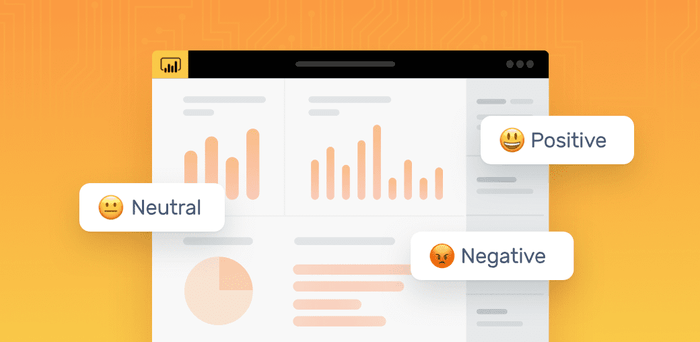


Brand reputation monitoring Arabic conversations require is a different discipline entirely from monitoring reputation in English. It’s not simply a matter of translation. It’s a matter of understanding sarcasm, regional slang, religious and cultural references, and the emotional weight certain words carry in different dialects across the Gulf, the Levant, and North Africa. A brand that gets this wrong doesn’t just misread a comment. It misses the early signs of a crisis building right under its nose.
Nine out of ten reputation crises today start online, not in a press release or a courtroom. They start as a complaint, a screenshot, a voice note shared in a WhatsApp group, or a sarcastic tweet that gains traction faster than any PR team can react. For brands operating across the Arabic-speaking world, and especially in high-stakes markets like the UAE and Saudi Arabia, the ability to detect and understand these signals in Arabic, in real time, is no longer optional. It’s the difference between managing a situation and being blindsided by it.
In this article, we’ll explore what effective brand reputation monitoring in Arabic actually requires, why most generic tools fail at it, and how AIM Technologies, through its AIM Insights module, is solving this problem for brands and governments across the region.
Why Arabic Makes Reputation Monitoring So Difficult
English-language monitoring tools have had decades to mature. Arabic-language monitoring is a much harder technical and cultural challenge, for several reasons.
- Dialect Fragmentation: Modern Standard Arabic is rarely what people actually type online. Emirati, Saudi, Egyptian, Levantine, and Maghrebi dialects all differ significantly in vocabulary, spelling, and tone, and a tool trained only on formal Arabic will misread huge volumes of real conversation.
- Code-Switching: Many users in the Gulf switch between Arabic and English within the same sentence, sometimes even the same word, using Arabizi (Arabic written in Latin letters and numbers). Tools that can’t parse this simply lose the data entirely.
- Sarcasm and Indirect Criticism: Arabic online culture often favors indirect criticism, humor, and sarcasm over blunt statements. A generic sentiment engine will frequently mislabel a sarcastic compliment as genuine praise, or miss a serious complaint dressed up as a joke.
- Religious and Cultural Sensitivity: Certain phrases carry weight tied to religious or cultural context that a literal translation completely erases. Getting this wrong doesn’t just produce bad data. It can damage the very brand trying to protect its reputation.
- Diacritics and Spelling Variation: Arabic script often omits diacritical marks, and the same word can be spelled multiple ways depending on the writer’s dialect or personal habit, multiplying the complexity of accurate detection.
This is precisely why brand reputation monitoring Arabic markets demand cannot rely on tools built primarily for English-language markets and simply translated afterward. It requires a platform built from the ground up with regional language expertise.
Why Brand Reputation Monitoring in Arabic Matters More Than Ever
- Consumer Trust Is Built and Broken Online: Across the UAE, Saudi Arabia, Egypt, and the wider region, consumers increasingly research brands through social platforms before making purchase or service decisions, meaning reputation signals online translate directly into revenue.
- Regulatory and Government Scrutiny: Public sector entities across the region are held accountable in real time by citizens on social media, making Arabic-language monitoring essential for public communication strategies.
- Viral Speed Is Faster in Arabic Markets: High social media penetration across the Gulf means a single post can reach hundreds of thousands of users within hours, giving brands a very narrow window to respond appropriately.
- Multinational Brands Need Local Accuracy: Global brands entering Arabic-speaking markets often underestimate how differently their messaging lands locally. Reputation monitoring built for Arabic nuance helps them catch cultural missteps before they escalate.
- Crisis Response Windows Are Shrinking: The gap between “a customer is upset” and “this is trending” has never been smaller, making accurate, real-time Arabic monitoring a frontline defense rather than a backend reporting function.
What Effective Brand Reputation Monitoring in Arabic Should Include
A serious monitoring solution built for Arabic-language markets should offer:
- Native dialect recognition across Gulf, Levantine, Egyptian, and Maghrebi Arabic
- Arabizi and code-switching detection for mixed Arabic-English content
- Context-aware sentiment analysis that accounts for sarcasm and indirect criticism
- Real-time alerts triggered by spikes in negative sentiment or specific keyword clusters
- Historical trend tracking to distinguish one-off complaints from patterns
- Integration with crisis communication workflows so teams can act immediately, not just observe
Without these capabilities, brands are essentially monitoring a fraction of the real conversation happening about them, and often the most important fraction.
How Poor Arabic Monitoring Leads to Real Damage
Consider the layered risk here. A brand using a generic, English-first tool might see a spike in mentions but miss that the sentiment is overwhelmingly negative because the tool misread sarcastic Arabic comments as neutral or positive. By the time a human notices the pattern manually, the story has already spread across multiple platforms, been picked up by local media, and shaped public perception in ways that are far harder to reverse.
This is not a hypothetical. It happens regularly to brands that treat Arabic monitoring as an afterthought rather than a core function. The cost isn’t just reputational. It’s measured in lost customer trust, regulatory attention, and in some cases, direct revenue impact.
A Closer Look: How AIM Insights Solves Arabic Reputation Monitoring

This is exactly the gap AIM Technologies built AIM Insights to close. Rather than adapting a Western-built tool for the region, AIM Insights was designed with deep regional expertise in Arabic language, dialects, and digital culture at its core.
Here’s what sets AIM Insights apart for brand reputation monitoring Arabic businesses and government entities depend on:
- Advanced Dialect Intelligence: AIM Insights is built to recognize and correctly interpret Emirati, Saudi, Egyptian, and Levantine dialects, along with Modern Standard Arabic, ensuring nothing gets lost in translation or misclassified.
- Sarcasm and Tone Detection: The platform’s sentiment engine is trained specifically on regional conversational patterns, allowing it to catch sarcasm, indirect criticism, and mixed-emotion posts that generic tools consistently miss.
- Real-Time Crisis Alerts: When negative sentiment around a brand or topic crosses a defined threshold, AIM Insights sends immediate alerts, giving communication and PR teams the head start they need before an issue becomes a full-blown crisis.
- Arabizi Recognition: AIM Insights accounts for Arabic written in Latin characters, a common practice among younger, digitally native users across the Gulf, ensuring this significant volume of conversation isn’t invisible to the platform.
- Historical Sentiment Trend Analysis: Beyond real-time alerts, AIM Insights tracks sentiment patterns over time, helping brands distinguish between isolated complaints and deeper, systemic reputation issues that need strategic attention.
- Executive-Ready Reporting: AIM Insights translates complex, multilingual data into clear reports and dashboards tailored for different stakeholders, from social media managers tracking daily sentiment to executives making high-level reputation strategy decisions.
- Government and Enterprise-Grade Reliability: Built to serve both private sector brands and public sector entities across the region, AIM Insights meets the scale, security, and accuracy requirements that high-stakes reputation monitoring demands.
For any organization serious about brand reputation monitoring Arabic audiences respond to authentically, AIM Insights isn’t just another dashboard. It’s the linguistic and cultural intelligence layer that makes accurate monitoring possible in the first place.
Industries That Depend Most on Arabic Reputation Monitoring
- Banking and Financial Services: Where a single miscommunicated policy change or service outage can spark widespread public concern within hours.
- Government and Public Sector: Where public sentiment toward policies, services, and national campaigns needs to be understood accurately and quickly, in the language citizens actually use.
- Telecom and Utilities: Where service disruptions frequently trigger high volumes of Arabic-language complaints that need immediate, accurate sentiment analysis.
- Retail, F&B, and Hospitality: Where customer experience complaints, often shared in local dialect, directly shape brand perception among a highly connected consumer base.
- Healthcare: Where public trust hinges on accurate, sensitive communication, and where misreading sentiment around health-related topics carries especially high stakes.
Building a Stronger Reputation Strategy With Arabic-First Monitoring
Brands that want to get ahead of reputation risk in the region should treat Arabic-language monitoring as a foundational capability, not an add-on. That means:
- Auditing current monitoring tools to check whether they truly understand regional dialects or are simply translating and guessing
- Establishing clear internal thresholds for what counts as an early warning sign versus normal conversation volume
- Training PR and customer service teams to act quickly on alerts generated from Arabic-language monitoring
- Reviewing historical sentiment data regularly to catch slow-building issues before they spike
- Partnering with a platform that has genuine regional language expertise rather than a generic global solution
Brands that take these steps consistently outperform competitors who are still relying on outdated or English-first monitoring tools, simply because they see problems coming before everyone else does.
Final Thoughts
Brand reputation monitoring Arabic markets require is not a nice-to-have feature bolted onto a broader marketing tool. It is a specialized capability that demands deep linguistic and cultural expertise, real-time responsiveness, and a genuine understanding of how people in this region actually communicate online. Brands and government entities that get this right protect not just their image, but the trust that underpins every customer and citizen relationship they have.
AIM Technologies built AIM Insights specifically to meet this challenge, giving organizations across the Arabic-speaking world the accuracy, speed, and depth of insight they need to manage reputation proactively rather than reactively.
If your organization is ready to move beyond generic monitoring and start truly understanding what your Arabic-speaking audience is really saying, now is the time to act. Request a free demo from AIM Technologies today and see how AIM Insights can transform the way you protect and strengthen your brand’s reputation across the region.